10 Resources for 10 Years

Leadership rarely comes with straightforward answers. Difficult conversations, competing priorities, team dynamics, and constant change all shape how people experience work. There’s no single answer to every leadership challenge, but the way we communicate, make decisions, and work with others can make a meaningful difference.
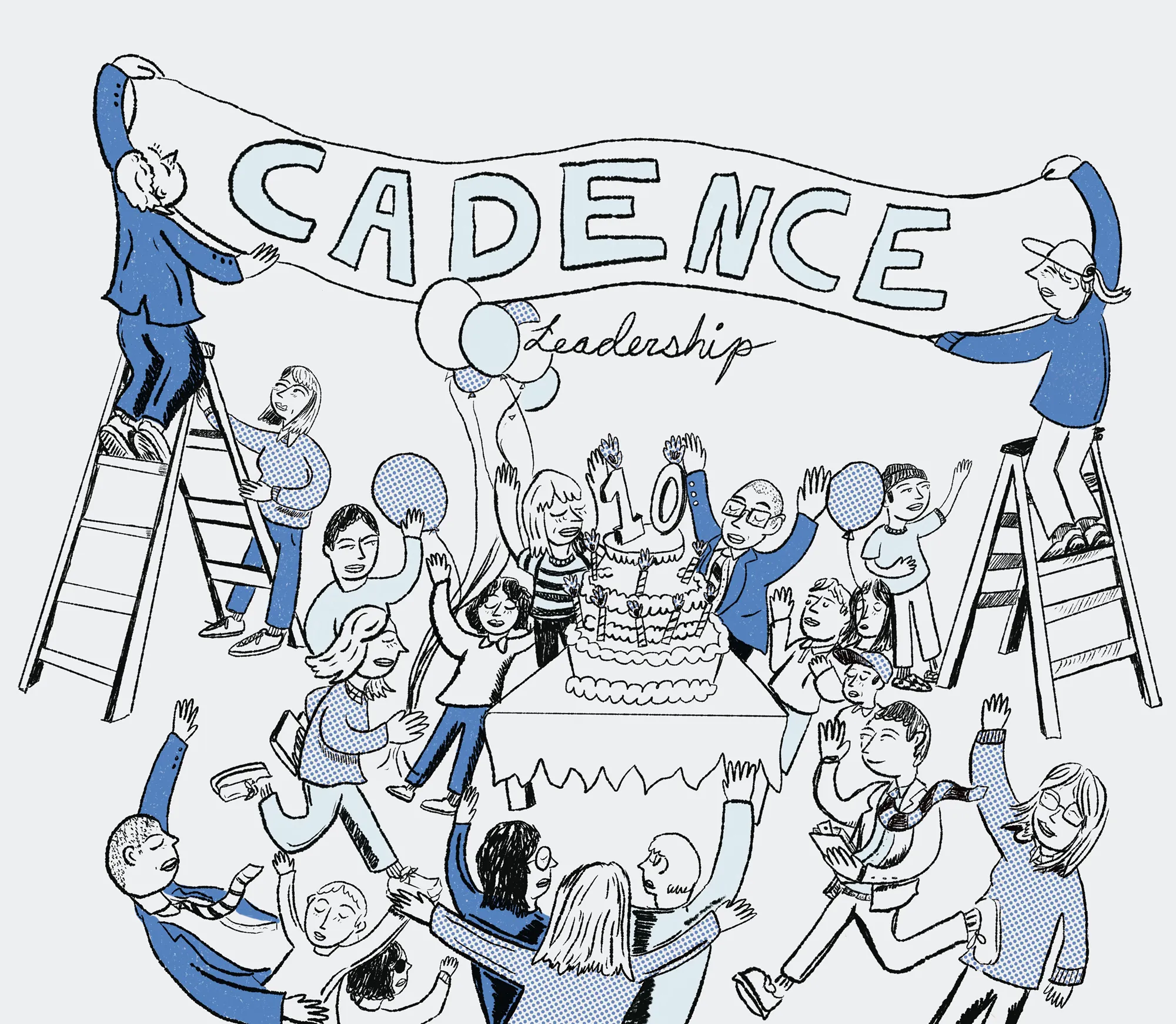
Over the past ten years, we’ve explored these topics through our articles, podcasts, and work with executive leaders. Ten years has given us a lot to say. Here are ten resources covering some of the ideas we keep coming back to.
1. Approach difficult conversations with curiosity
Most people have been part of a conversation they were reluctant to get into. Maybe there’s a performance issue to address, a disagreement that keeps coming up, or something that needs to be said but feels uncomfortable.
It’s tempting to go into these conversations with a solution already in mind. But taking the time to ask questions and understand the other person’s perspective can lead to a much more productive discussion.
Read: Question Funnel: A Proven Strategy for Difficult Conversations at Work
2. Communicate through change
When things are changing, it’s natural for people to have questions. They want to know what's happening, why decisions are being made, and what it means for their work. Sometimes leaders have all the answers. Often, they don't.
Being upfront about what you know (or don’t) and keeping people informed helps build trust. Waiting until everything is figured out can leave teams filling in the gaps themselves.
Read: Leading Through Change: Practical Resources for Confident Leaders
3. Help teams adopt change
Getting people to understand a change is one challenge. Getting them to adopt it is another. People need time to adjust and work through obstacles. Leaders have a role to play in keeping the change moving, checking in, and addressing problems along the way. Without that follow-through, even well-planned changes can lose momentum.
Read: How to Make Change Stick: What HR Leaders Can Do Differently
4. Treat engagement as part of everyday leadership
Engagement is influenced by everyday experiences at work. Do people understand what's expected of them? Do they feel their contributions matter? Can they raise concerns and get the support they need?
Managers often have more influence over these experiences than they might realize. Regular conversations can help uncover where people might be struggling and what can improve.
Read: Employee Engagement is Low... Here's What to Do About It.
5. Recognize burnout before it becomes a bigger problem
When people are stretched too thin for too long, something has to give. Workload, competing priorities, and pressure to deliver can all contribute to burnout. Leaders need to pay attention to changes in how people are working and feeling. That means looking at the demands being placed on a team and having honest conversations about what's manageable.
Read: Under-Challenged Burnout: How to Spot and Manage this Tricky Type of Burnout
6. Use feedback to support leadership growth
Most leaders have a sense of how they see themselves. Understanding how other people experience their leadership can be a different story. Feedback from colleagues can reveal blind spots, highlight strengths, and identify other behaviours worth changing. A 360 assessment can bring it all together and give leaders a clear starting point for development.
Read: Feedback Is a Gift: How 360 Leadership Assessments Drive Leadership Growth
7. Know when coaching can help
Leadership can be a challenging job, particularly when decisions are complicated and the stakes are high. Sometimes it helps to have someone outside the situation who can ask the right questions and challenge your thinking. Coaching can provide the space to work through complex challenges and approach decisions with greater confidence.
Explore: Cadence Executive Coaching
8. Prepare for high-stakes decisions and meetings
We've all sat through meetings where the discussion goes in circles, and everyone leaves wondering what was decided. When the stakes are high, that lack of clarity can be costly.
Before a meeting, think about what needs to be decided, who needs to be involved, and what a useful outcome would look like. A little preparation can help keep the conversation focused and make it easier to move forward.
Listen: Ask Aram: Decision Making & Managing High Stakes Meetings
9. Communicate with clarity
Leaders are often asked to explain decisions, answer questions, and communicate complex ideas. It's easy to get caught up in the details, particularly when you're thinking through an answer as you speak. Taking a moment to organize your thoughts can help you get to the main point and give people a clear answer. This is especially useful when time is limited or the subject is complicated.
Listen: Cadence Sprint: Answering Questions Effectively
10. Make leadership development practical
Knowing what good leadership looks like doesn't automatically make it easy to do. Applying new skills takes practice; training gives leaders the opportunity to develop skills, work through realistic scenarios, and consider how they might approach familiar challenges differently. The goal is to bring those lessons back to the workplace.
Explore: Cadence Courses and Trainings
Ten Years of Learning
In the last decade, we've worked with leaders facing all kinds of challenges. The details vary, but many of the same questions keep coming up. How do we have better conversations? How do we build trust? How do we help people navigate change and do their best work?
These are questions worth returning to. As Cadence looks ahead to the next decade, we'll keep sharing ideas and resources to help you work through them. In the meantime, pick a resource that speaks to a challenge you're facing and see what you can put into practice.
Authored By



Find your Cadence today
Let's talk about what you're working on.
Most of our clients come through referral — which usually means you already have a sense of what working with us is like. If you'd like to explore whether Cadence is the right fit, the best place to start is a conversation.