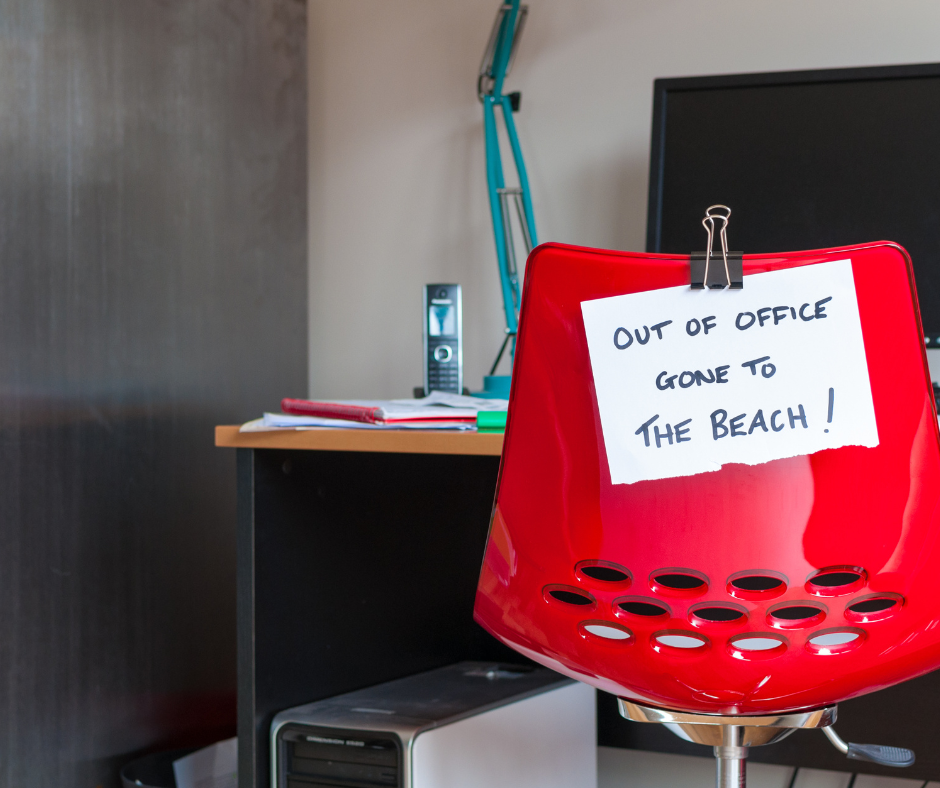
Summer is here, and calendars are quickly filling with vacation time and emails with out-of-office notifications.
For many leaders, however, leaving for a vacation can be stressful. Research shows that in the two weeks leading up to a vacation, employees’ stress levels increase. Some of this comes from personal planning. Much of it, however, is work-related and comes down to effective time management, planning, and communication.
Many high-performers prepare for vacation by trying to clear every item from their to-do list. But effective workload management isn’t about checking off every box. It’s about leaving work in a position where it can continue moving without you.
With a few simple habits, it’s possible to step away from work without creating unnecessary stress before or after you return.
Start With Your Priorities
As your departure date approaches, it’s easy for everything to feel urgent.
Start by sorting your workload into three categories:
- What needs to be completed before you leave,
- What can be delegated, and
- What can wait until you return.
If delaying something by a week or two won’t change the outcome, let it wait. Don’t worry about finishing everything. Instead, focus your time where it will have the greatest impact.
Once you’ve decided what needs to be done, try the time blocking technique. Rather than squeezing preparation between meetings, block dedicated time in your calendar.
We recommend setting aside the second half of your final day before vacation to finalise handovers. This is when you share project updates, respond to outstanding requests, review upcoming deadlines, and set up your out-of-office message. When you treat preparation as scheduled work rather than an afterthought, the rest of your workload becomes much easier to manage.
Set Expectations Before You Leave
When people don’t know what to expect, they fill in the gaps themselves. They may assume a project is on track, expect a response while you’re away, or continue following up because they haven’t been told otherwise. Those assumptions often create unnecessary confusion and frustration.
This is why setting expectations before you leave is so important. Your ownership of communication doesn’t end when you press send. It includes making sure people have the information they need to understand what will happen next.
If a project or request won’t be completed before your holiday, communicate that early and provide a realistic timeline. For example: “I won’t be able to complete this before my vacation. I’ll review it when I return on July 28 and provide an update by July 30.” This one message answers the who, what, and when before anyone has to ask.
The same applies to coverage. Decide who will handle questions, approvals, and decisions while you’re away. Your team should know who to contact, what needs escalating, and what can wait until you return. A short handover note or brief team conversation is usually enough. The less guesswork people have to do in your absence, the fewer interruptions you’ll likely receive while you’re trying to recharge.
Write an Effective Out-of-Office Message
Your out-of-office message is one of the simplest communication tools available. A good one answers three questions: when you’ll be back, whether you’re checking email, and who people should contact if something is urgent.
For example: “Thank you for your email. I am out of the office from July 14 to July 25 and will return on July 28. During this time, I will have limited access to email. For urgent matters, please contact Jane Doe at jane.doe@company.com. Otherwise, I will respond as soon as possible upon my return.”
Compare that with: “I’m away with limited access to email.”
While technically accurate, the second example leaves people guessing. Will you respond tomorrow? Next week? Not at all? Is there someone else they should contact?
The more specific your message, the easier it is for others to plan accordingly, and the fewer unnecessary emails you’ll come back to.
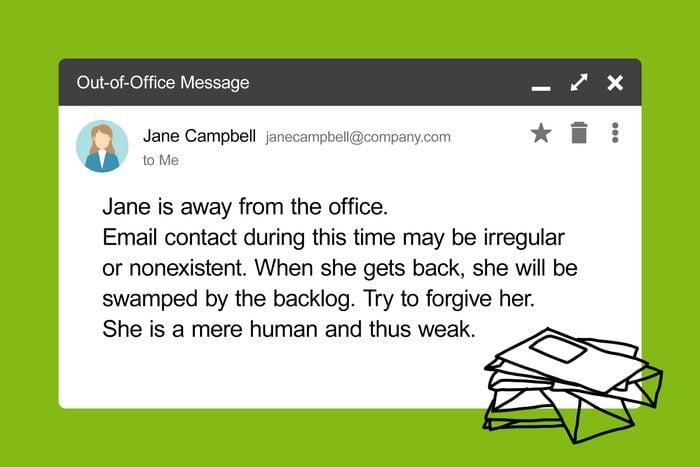
A little personality is fine, but clarity should always come first. An effective out-of-office message helps people find the information they need quickly.
Work Intentionally During Your Final Week
As your vacation approaches, productivity techniques can help you complete important work without feeling overwhelmed.
One useful technique is task batching, where you group similar work together. Rather than constantly switching between emails, meetings, planning, and administrative work, dedicate focused blocks of time to each activity.
Another popular approach is the “eat the frog” method, which encourages tackling your most important or challenging task first. By completing high-priority work early in the day, you beat procrastination and set a positive tone for the rest of your day.
The best approach is the one that works for you. Some people are most productive first thing in the morning, while others do their best thinking later in the day. Understanding your own work habits allows you to prepare more effectively before taking time off.
Plan for Your Return
Before leaving, spend a few minutes thinking about your first day back. If possible, avoid filling your calendar with meetings and leave space to review priorities, catch up on emails, and reconnect with your team.
Giving yourself time to transition back into work can make your return feel far less overwhelming.
Enjoy Your Vacation
Research consistently indicates that taking time off is crucial for employee well-being. It allows people to recharge, gain perspective, and return to work with renewed focus and energy. Before you head off, don’t worry about leaving behind a perfectly clean inbox. Instead, focus on leaving behind clear priorities, realistic expectations, and enough information for work to keep moving without you.
You may not return to an empty inbox, but with the right planning, you can return to one that feels manageable. And if you do find yourself checking emails from the beach, at least make sure you take time to enjoy the view.